
Losing a guide/assistance/therapy dog
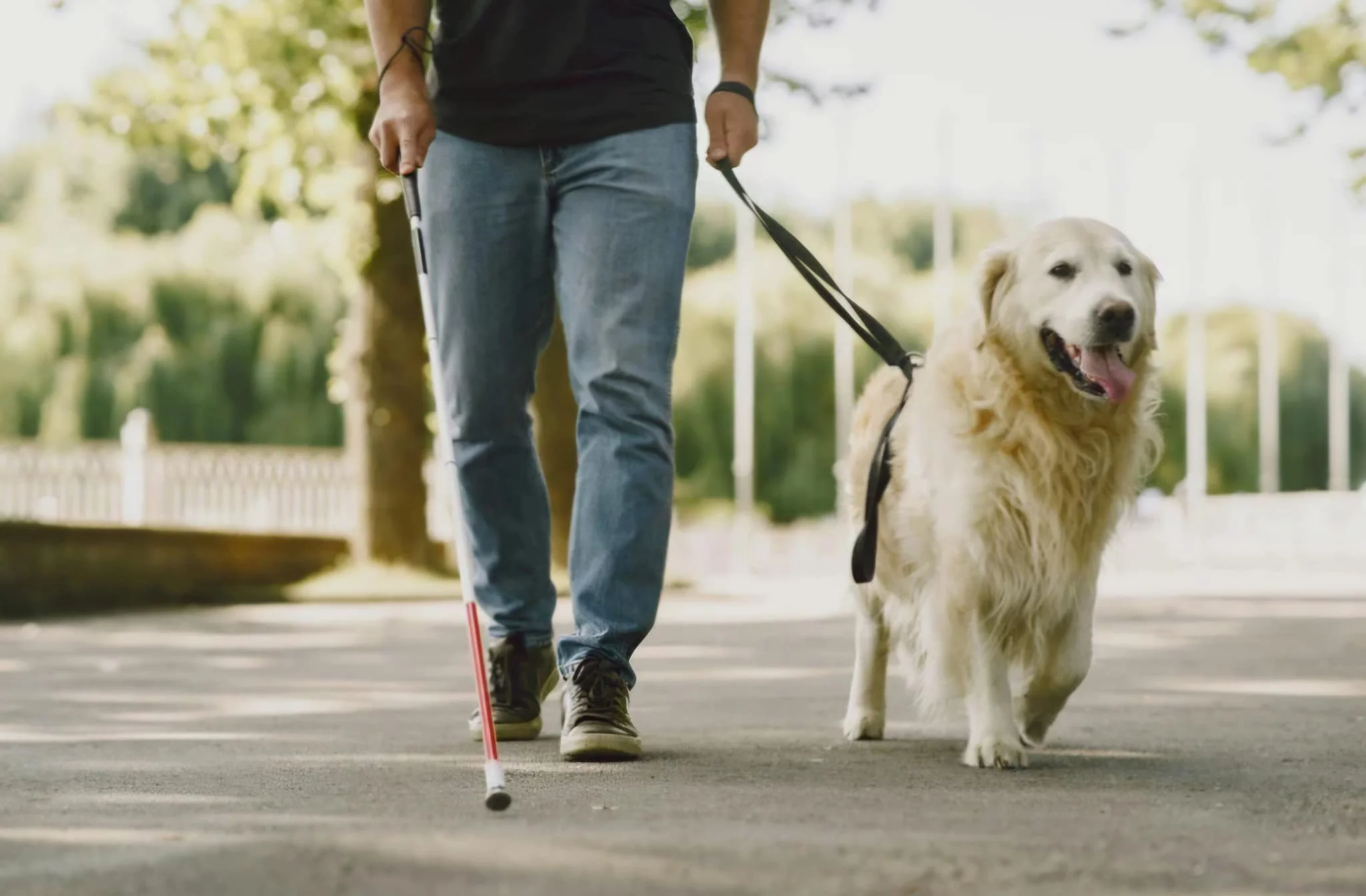
Losing a pet is a devastating experience for anyone, but losing a working dog can bring more complex challenges to owners.
For many people who own a working dog, they enable them to maintain independence, mobility, freedom and confidence.
Working dogs come in all different breeds and are uses to enrich the lives of many people, such as those with visual impairments, autism, epilepsy, diabetes and much more. They provide additional support to their owner to carry out day to day activities that many of us take for granted.
So how can losing a support dog affect people differently to losing a family pet...
Loss of mobility & independence
For someone who is visually impaired, suddenly losing their guide dog, can mean they are no longer able to carry out tasks such as shopping, using public transport or just going for a walk.
Getting a new working dog
Many people will require to get a new support dog quickly in order to maintain their safety and independence. This can cause owners to feel guilty, that they are "replacing" their other dog too quickly and they are replacing their lost pet
Decline in mental health
Owners of service dogs have a unique bond with their pets. Losing this can cause a sense of loneliness or feeling unable to carry on. If a therapy dog has been with a person to assist with PTSD, anxiety or autism; these conditions now may become an issue again without their dog. Those who can no longer go out as they have to guide dog, may become isolated and lose confidence in carry out tasks independently.