
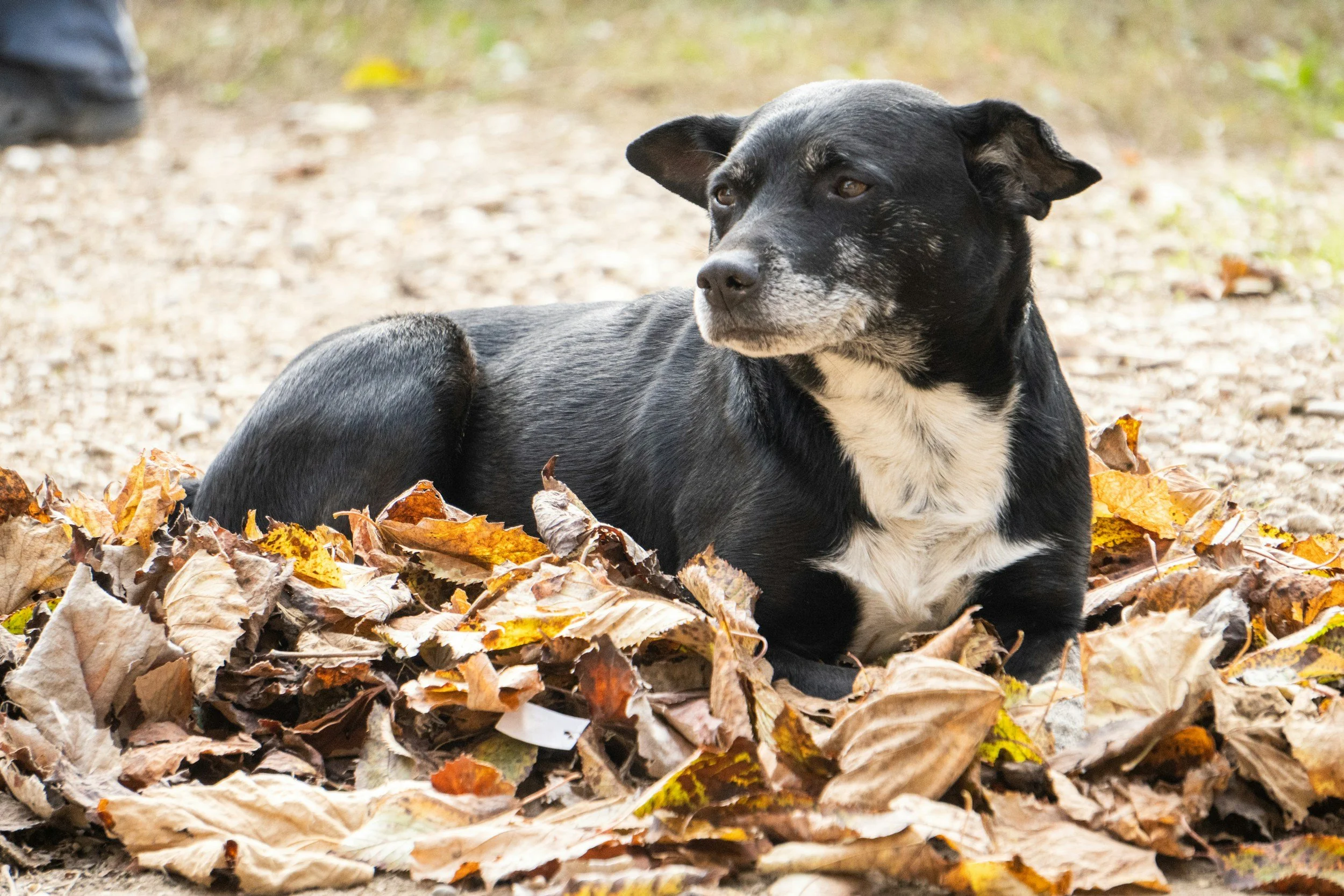
How to Recognise When Your Senior Dog May Be Struggling
As our dogs age, it's natural to expect them to slow down a little. However, many signs of pain and discomfort in senior dogs are often mistaken for "just old age." The reality is that aging itself is not a disease, and many older dogs experience chronic pain from conditions such as arthritis, dental disease, cancer, or organ dysfunction that can significantly affect their quality of life.
Because dogs instinctively hide signs of weakness, discomfort can be surprisingly difficult to spot. Learning to recognise the subtle changes in your dog's behaviour and routine can help ensure they receive the care and support they need to remain comfortable for as long as possible.
At Last Wishes Mobile Vet, we help families navigate the challenges of caring for elderly pets, providing compassionate guidance and end-of-life support in the comfort of home.
Why Senior Dogs Often Hide Pain
Unlike humans, dogs can't tell us when something hurts. Instead, they communicate through changes in behaviour, movement, and daily habits.
Many owners are surprised to learn that a dog doesn't have to cry, whine, or limp dramatically to be in pain. In fact, chronic discomfort often develops gradually, making it easy to miss until it starts affecting quality of life.
Changes in Mobility
One of the most common signs of discomfort in elderly dogs is a change in the way they move.
You may notice your dog:
Taking longer to get up after resting
Walking more slowly during walks
Hesitating before using stairs
Refusing to jump into the car
Slipping on smooth floors
Showing stiffness, particularly after sleep
Limping or favouring one leg
These signs are frequently associated with arthritis, which is one of the most common causes of chronic pain in older dogs.
Behavioural Changes
Pain can affect a dog's mood and personality as much as their physical abilities.
Watch for changes such as:
Becoming more withdrawn
Spending more time alone
Avoiding physical contact
Appearing less enthusiastic about favourite activities
Increased irritability or grumpiness
Growling when touched in certain areas
Clinginess or increased need for reassurance
If your dog's personality seems different, discomfort may be a contributing factor.
Changes in Sleeping and Resting Habits
A dog experiencing pain may struggle to get comfortable, especially if they suffer from joint or muscle problems.
Look for signs such as:
Difficulty settling down
Changing positions frequently
Restlessness during the night
Sleeping more than usual
Panting while resting
Reluctance to lie down or get back up
Poor sleep can also affect your dog's overall wellbeing and energy levels.
Reduced Interest in Daily Activities
One of the clearest indicators of declining comfort is a loss of enthusiasm for activities your dog once enjoyed.
Your dog may:
Show less interest in walks
Stop playing with toys
Be reluctant to greet visitors
Ignore favourite games
Spend less time interacting with family members
When discomfort begins to outweigh enjoyment, quality of life may be declining.
Appetite and Weight Changes
Pain and illness frequently affect appetite.
Warning signs include:
Eating less than usual
Difficulty chewing food
Dropping food from the mouth
Weight loss
Increased thirst
Reduced interest in treats
Dental disease is particularly common in senior dogs and can make eating painful.
Changes in Breathing
Dogs experiencing pain may display noticeable changes in their breathing patterns.
These can include:
Excessive panting
Rapid breathing
Shallow breathing
Laboured breaths
Panting when not exercising or overheating
Breathing changes should always be discussed with a veterinarian, especially in older dogs.
Signs of Cognitive Decline (Dementia)
Some elderly dogs develop canine cognitive dysfunction, often compared to dementia in humans.
Signs may include:
Confusion or disorientation
Wandering aimlessly
Staring at walls or corners
Altered sleep cycles
Forgetting familiar routines
Increased anxiety
These changes can affect both comfort and quality of life and are important to monitor.
When Is It Time to Be Concerned?
Occasional stiffness or slowing down can occur as part of the aging process. However, persistent changes in mobility, behaviour, appetite, or enjoyment of life should never be ignored.
Many painful conditions can be managed through:
Pain relief medications
Weight management
Physiotherapy and rehabilitation
Mobility aids
Home modifications
Palliative care
Early intervention can significantly improve comfort and wellbeing.
Assessing Your Dog's Quality of Life
As dogs approach the later stages of life, it can be helpful to regularly assess their quality of life.
Ask yourself:
Are they eating and drinking comfortably?
Can they move around without significant distress?
Do they still enjoy interaction with family?
Are they comfortable resting and sleeping?
Are they experiencing more good days than bad days?
These questions can help families make informed and compassionate decisions about ongoing care.
Compassionate End-of-Life Support at Home
Watching a beloved dog grow old is never easy. Recognising the signs of discomfort and pain is one of the most important ways we can advocate for their wellbeing and ensure they receive the care they deserve.
At Last Wishes Mobile Vet, we provide peaceful euthanasia services when the time comes. Our goal is to help families navigate this difficult journey with dignity, understanding, and kindness, while keeping your dog comfortable in the familiar surroundings of home.
If you're concerned that your senior dog may be experiencing pain or discomfort, contact Last Wishes Mobile Vet to discuss your dog's quality of life and explore the support options available for your family.